


For one hour you sit close to a mountain gorilla family, a silverback and the youngsters around him, and the climb up the volcano is forgotten.
Gorilla trekking in Rwanda takes you up the slopes of Volcanoes National Park for one hour with a mountain gorilla family. Twelve habituated families live in the park, eight guests visit each family a day, and children must be 15 or older. We secure the permits and plan the days, the fitness and the stay around your family.
At a glance
| Where | Volcanoes National Park in northern Rwanda; guests gather at the park headquarters at Kinigi |
| The families | Twelve habituated gorilla families in the park |
| The hour | A strict maximum of one hour a day with a family |
| Permits | Eight a day for each family, 96 a day in all; we secure them |
| Minimum age | 15 years |
| The hike | From 30 minutes to four hours or more, at 2,500 to 4,000 metres |
| Porters | Available to carry bags and cameras and to help on the path |
What the hour is like
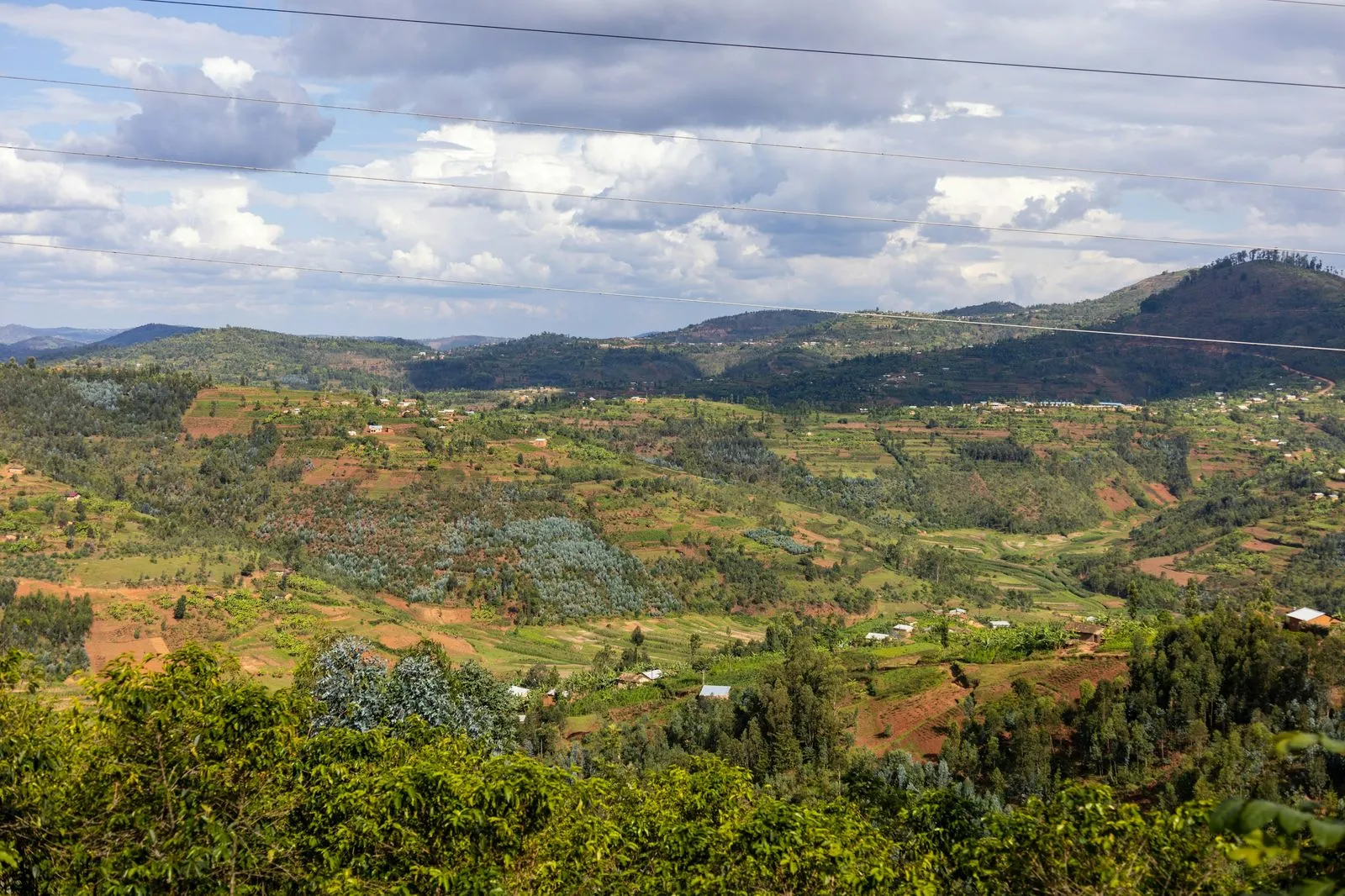
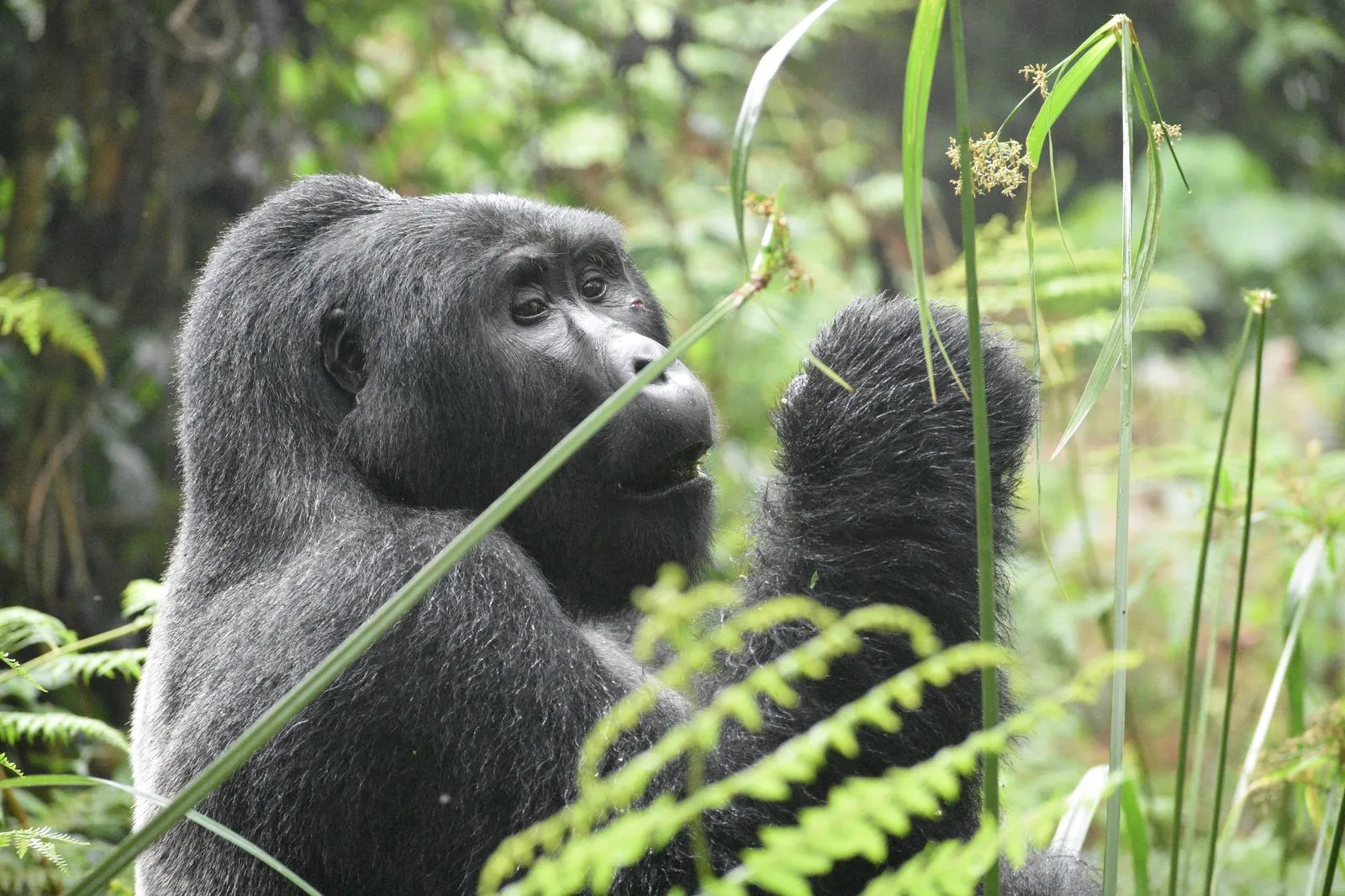
You spend the hour close to the gorillas, at the distance the rangers set. The park describes small groups led by expert trackers and guides up bamboo-covered slopes. Each family has at least one silverback with several females and youngsters, and the troops are watched and protected by park rangers.
The morning starts early. Guests meet at the park headquarters at 7am, hear the rules for visiting the gorillas, and are placed with a family on the day according to fitness. That placement is why we ask early about who is walking, and how well.
Who the trek suits
It suits a family with teenagers, a milestone birthday where everyone is 15 or over, or a couple marking an anniversary. It does not suit anyone under 15, and the hike can be hard: from half an hour to four hours or more, up steep ground at altitude.
If a parent or grandparent wants to come, we tell you honestly what the day asks, and we plan porters and a pace. The hike is matched to fitness on the day, so tell us about knees, breathing and altitude at the start. Where the trek is not right for someone, we plan something for them nearby so the family still shares the evening.
Why the permits come first
There are 96 gorilla permits a day in Rwanda, eight for each family, and the Rwanda Development Board recommends booking well ahead. So the permit is the first thing we settle. We secure it with the stay and the flights, on a date that suits everyone, and we confirm the permit details when you enquire. Ten percent of the permit revenue goes to local communities, to build schools, health centres and roads, and there is a compensation fund for farmers whose crops gorillas damage.
Rwanda or Uganda
Both Rwanda and Uganda protect mountain gorillas. Visit Rwanda counts about 1,000 mountain gorillas in the wild, 604 of them in the Virunga Massif. Uganda’s wildlife authority says Bwindi Impenetrable National Park, in the south-west, protects approximately 459 mountain gorillas, has 25 habituated groups (nine open to visitors), and sits between 1,160 and 2,607 metres, with Batwa and Bakiga cultural encounters in the villages nearby.
We choose between them with you, by your dates, how far you want to travel after landing, who is walking and what else you want to see. We confirm Uganda’s rules for your group when you enquire.
When to go
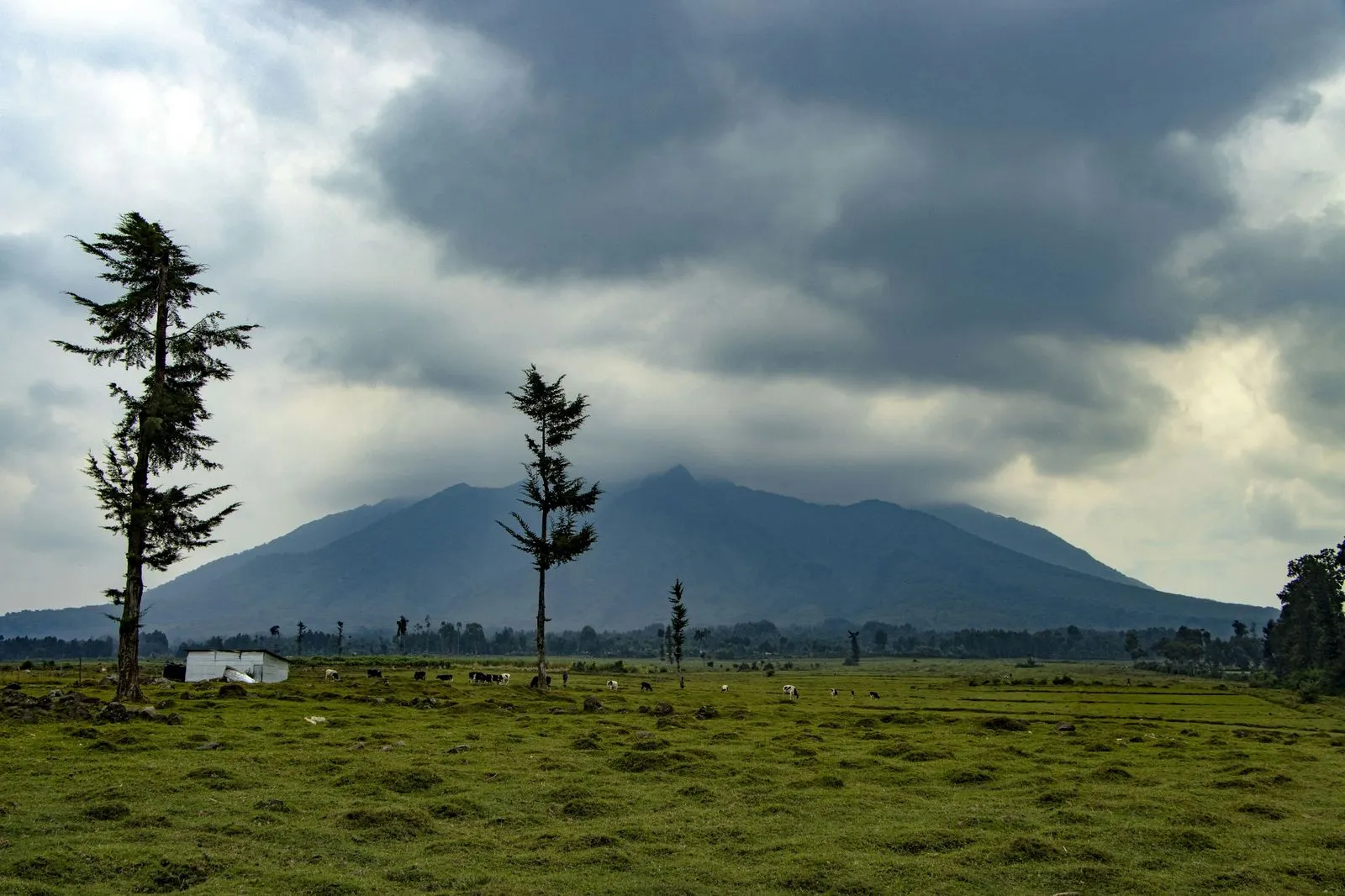
Gorillas live in the forest all year, so the question is the trail. The lodge we link below describes dry seasons from June to September and December to February, and green seasons from March to May and October to November, when paths are muddier. We plan clothing and pace to the season, and we do not choose a month by rate alone.
What to wear
The park advises solid walking shoes with gaiters, sturdy clothing against stinging nettles, gardening or leather gloves, and a lightweight waterproof jacket. We send a packing note with your plan.
Beyond the trek
Some families add a day for Dian Fossey’s tomb: about a 30-minute drive from the park headquarters and then a hike of two or three hours through the forest, above 3,000 metres. Others time a visit around Kwita Izina, the annual gorilla-naming ceremony, with its music and dancing. We confirm the date for the year you travel.
Health, entry and the road: what we arrange
We arrange the flights to Kigali, the road to the park or, where the lodge offers it, a helicopter, the stay, the permit and the porters. We also handle the entry formalities for Rwanda for your passports. On health, the US CDC recommends that travellers to Rwanda take prescription medicine to prevent malaria, and says the yellow fever vaccine is generally not recommended, but is required from countries with a yellow fever risk. Your connection can count too, so we check whether your routing makes a yellow fever certificate necessary, for Rwanda and for your return to India. Ask your doctor early, since some malaria medicines start days before you travel.
For where to stay, see our guide to Bisate Lodge, and for the wider picture, our African safari guide. Our other experiences are on our experiences page. Your trip stays yours: we never publish a client’s plans.
Plan a gorilla trek: tell us your dates, who is walking and how old the youngest is, and we’ll tell you what the day asks.
Send an enquiry · Talk to a designer on WhatsApp (opens in a new tab)
Frequently asked questions
How does gorilla trekking in Rwanda work?
You meet at the park headquarters at 7am, are placed with one of twelve habituated gorilla families according to fitness, and hike to it, from 30 minutes to four hours or more. You spend up to one hour with the family. We secure the permits and plan the rest.
What is the age limit for gorilla trekking in Rwanda?
The minimum age is 15, per the Rwanda Development Board’s Visit Rwanda page.
How fit do we need to be for gorilla trekking?
The hike varies from 30 minutes to four hours or more, at 2,500 to 4,000 metres, and guests are placed with a family according to fitness on the day. Porters can carry bags. Tell us about anyone’s knees, breathing or altitude, and we plan the day.
Should we trek in Rwanda or Uganda?
Both have mountain gorillas. Rwanda has twelve habituated families in Volcanoes National Park, and Uganda’s Bwindi has 25 habituated groups, nine of them open to visitors, according to each country’s own pages. We choose with you by dates, fitness and what else you want to see.
Do we need vaccines or medicine for Rwanda?
The CDC recommends prescription malaria medicine for Rwanda, and the yellow fever vaccine is generally not recommended unless you arrive from a country with a yellow fever risk. Ask your doctor early.
Do you sell gorilla trekking packages?
Yes, a complete trip built around you, home to home, and never an off-the-shelf package. We secure the permits, plan the days and stay reachable while you travel.


