


Mahali Mzuri is a 12-tent camp on a ridge in the Olare Motorogi Conservancy, next to Kenya’s Masai Mara reserve. It suits couples and small families who want few other vehicles around them. Meals, drinks, twice-daily game drives and airstrip transfers are in the rate, and the migration passes from about July to October.
At a glance
| Where | Olare Motorogi Conservancy, on the side of a valley above the plains; it borders the Masai Mara National Reserve rather than sitting inside it (camp’s FAQ). The reserve is also spelt Maasai Mara |
| Tents | 12: eleven Luxury Tented Suites of 80 sq m and one Family Tented Suite of 115 sq m |
| Included | All meals and drinks (certain premium brands are extra), twice-daily game drives, transfers to and from the Olare Orok airstrip, Wi-Fi |
| Not included | Conservancy and private vehicle fees where they apply, the balloon flight, some excursions, spa treatments |
| Open | All year; check-in 2pm, check-out 11am |
| Rates | On request. We confirm current rates for your dates when you enquire |
Everything above is from the camp’s own pages, checked on 20 November 2026.
Why we would choose it, and for whom
Choose Mahali Mzuri when you want the Mara without crowds. The camp is one of five inside a conservancy that caps itself at 94 beds in total (camp’s FAQ), so the sightings are shared with very few vehicles.
- For a honeymoon or an anniversary: the camp says it is suitable for honeymoons and helps plan proposals and special occasions. Tell us the moment and we ask the camp what it can do.
- For a milestone with a small group: with 12 tents, the camp can be hired exclusively, according to its FAQ. Ask us for availability.
- For a family with a child of two or more: the camp welcomes children from two years old and has one Family Tented Suite. It does not run a set children’s programme, and the camp says children under 12 may not sleep in a tent without a parent (camp’s FAQ).
It is not the place for a long list of facilities. There is a 12-metre heated infinity pool, a spa treatment room and a bar, and no gym. The day is the drive.
The conservancy difference: fewer vehicles
A conservancy is private land leased from Maasai landowners. Olare Motorogi covers about 140 sq km and was set up in 2006, and the landowners earn income from tourism (camp’s FAQ). The camp makes these claims about it:
- Five camps, 94 beds in total, and roughly one game vehicle per 2,100 acres.
- A strict cap on the number of vehicles at a sighting.
- Night drives, off-road driving and guided walking safaris are allowed, and the camp says none of them is allowed inside the national reserve, where drives are limited to 6am to 6pm on marked tracks.
So the quiet is built into the rules, not just the setting. If you also want to see the national reserve, the camp says it can arrange a visit, with an access fee on top.
The tents and the view
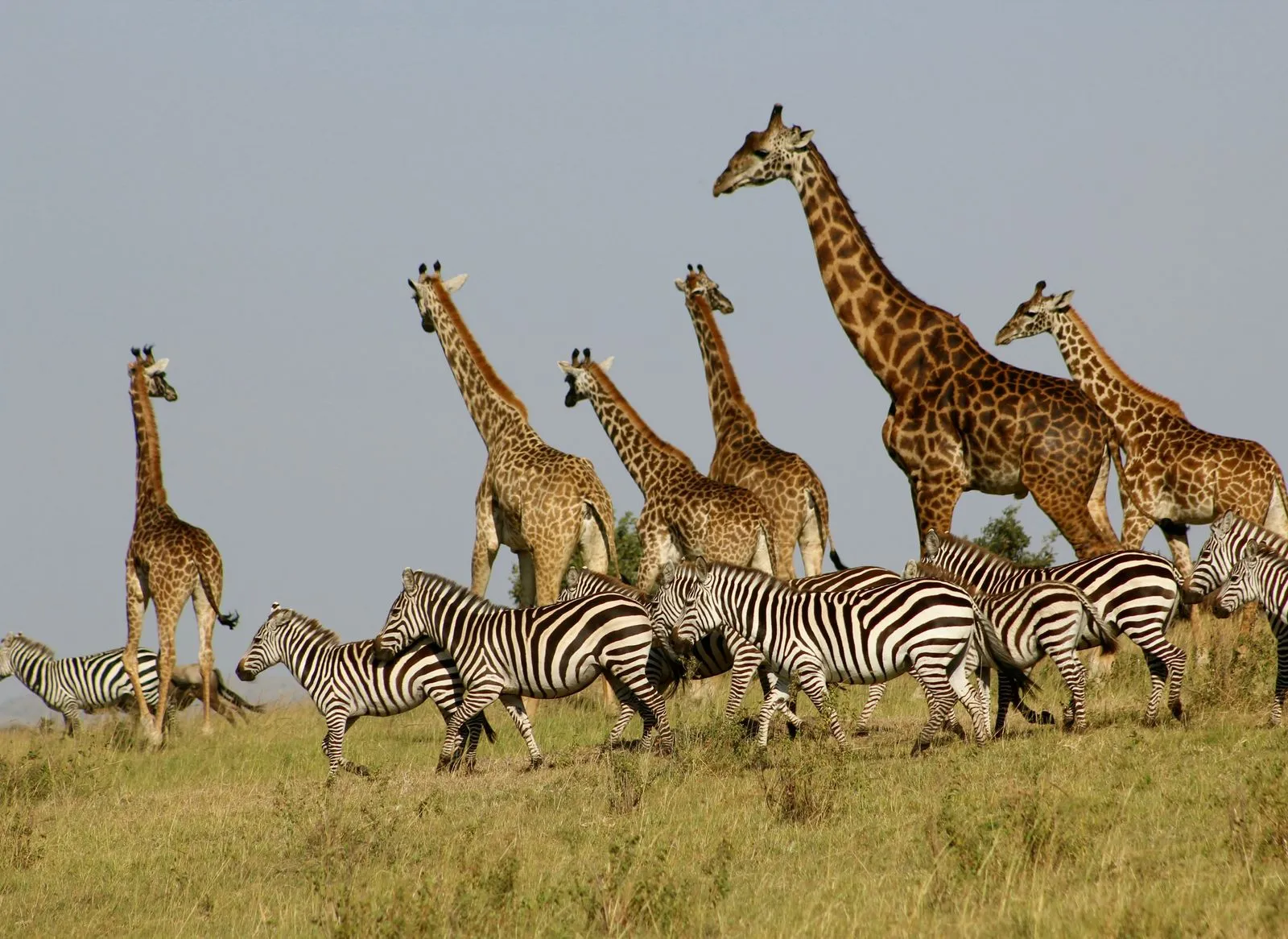
Each tent has a king bed (which can be twinned), a lounge area, a walk-in shower, a free-standing bath and a private deck over the valley, with air conditioning and heating (camp’s tents page and FAQ). The 11 suites are 80 sq m. The family tent is 115 sq m, with a king bed and two twin beds and two en-suite bathrooms.
Older guides and agent pages list 11 tents or describe a different mix. The camp’s own page now says 12, after an interior renovation, so we go by the camp.
The spa room sits on the valley floor, a short walk from the pool, and treatments cost extra. If you want exercise, the camp can bring yoga mats and weights to the tent or the pool.
Migration months and the quieter ones
The wildebeest migration moves through the wider Mara ecosystem, including this conservancy, from around July to October. The camp says the exact timing and route change each year and cannot be guaranteed. It also says wildlife viewing is strong all year (camp’s FAQ).
Temperatures, per the camp:
- Highs around 30°C from December to March.
- Around 20°C from July to September, in the migration season.
- Evenings can fall to about 15°C because of the altitude.
If July to October is your window, tell us early. Peak-season camps with 12 tents have few places, and we would rather ask the camp for your dates at the start than late. We cannot promise a river crossing on a given day, and no one can.
Bush dinners and private moments
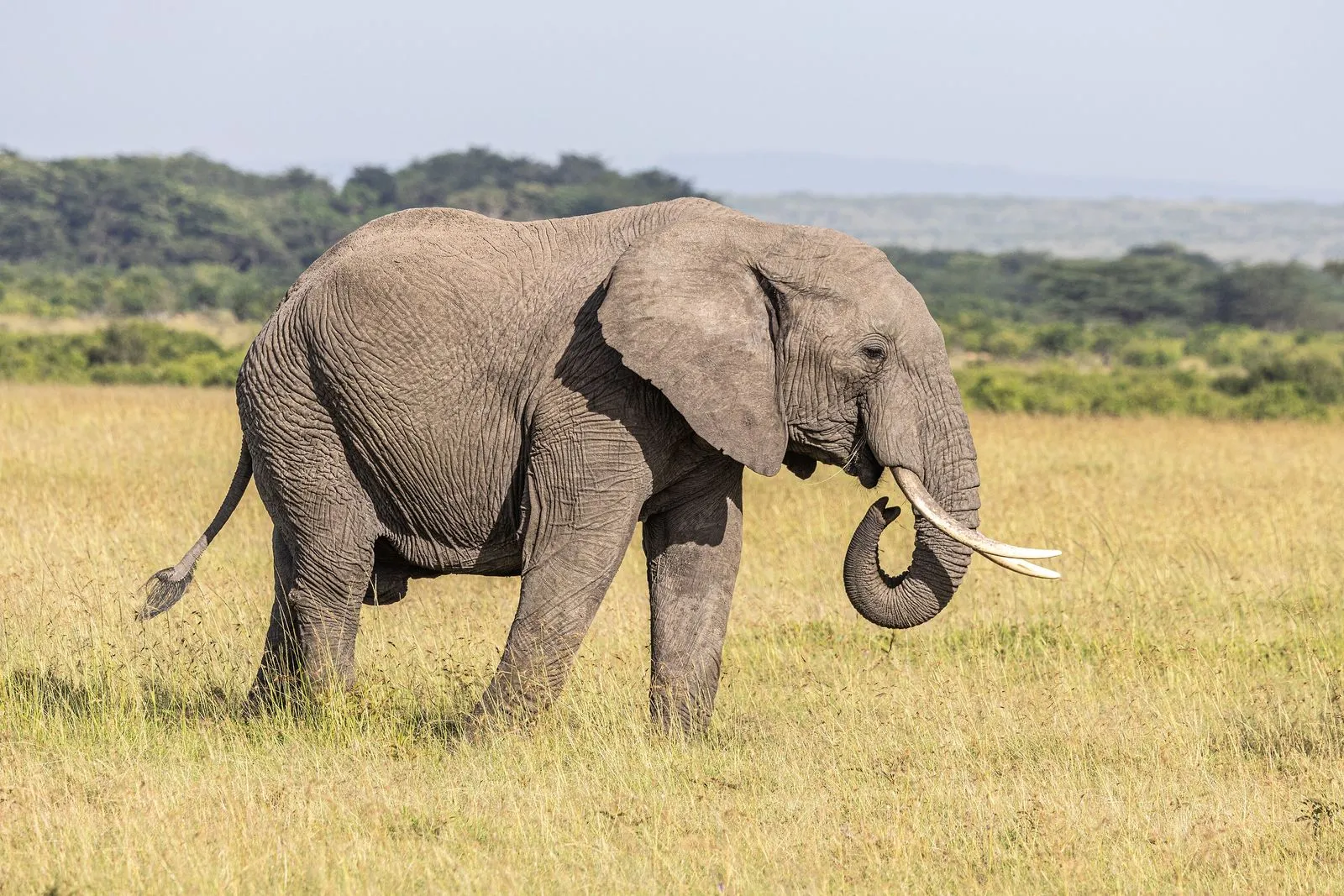
The camp offers bush breakfasts, bush dinners and sundowner drinks at set places across the conservancy, on request. It also serves dinner by firelight, by the pool or on your own tent deck, and a traditional Kenyan barbecue in the bush (camp’s food and drink page).
Other things the camp lists:
- A sunrise hot-air balloon flight, arranged through a third-party operator at an extra charge, with a pickup around 4am, about an hour in the air and a champagne breakfast afterwards.
- Guided walks with Maasai warrior guides, free and on request.
- A free one-hour stargazing session near the helipad, where the Maasai way of reading the stars is explained.
- A one-hour session of spear and club throwing and archery, free, for guests of 12 and over.
- Visits to a weekly market and a local beading cooperative.
For a proposal or an anniversary, the bush dinner is the moment to plan around. Tell us what you want it to feel like and we ask the camp which location, which night and what the weather may do.
Getting there from India
From India, Nairobi is usually one connection away, through Mumbai or a Gulf hub. We find the routing that fits your city and dates.
From Nairobi, a light aircraft takes you to the Olare Orok airstrip in about an hour, and the camp’s car covers the last 20 minutes (camp’s FAQ). The bag limit on that flight is 15 kg including hand luggage, and the camp says it is strictly enforced, so pack soft bags. We arrange the flight, the bags and the transfer; tell us if you are carrying camera gear.
Kenya asks most visitors for an electronic travel authorisation, the eTA, applied for at etakenya.go.ke (camp’s FAQ and the official portal). The camp says that since 5 October 2026 the application also includes Kenyan government travel health insurance. We confirm the current eTA steps for your passport on the official portal before you book, and handle the application with you.
On health, the camp says no vaccination is required unless you arrive from a country with a yellow fever risk, and that malaria is a risk in parts of Kenya. Ask your doctor about malaria medicine before you travel.
Food in camp: asking for veg and Jain
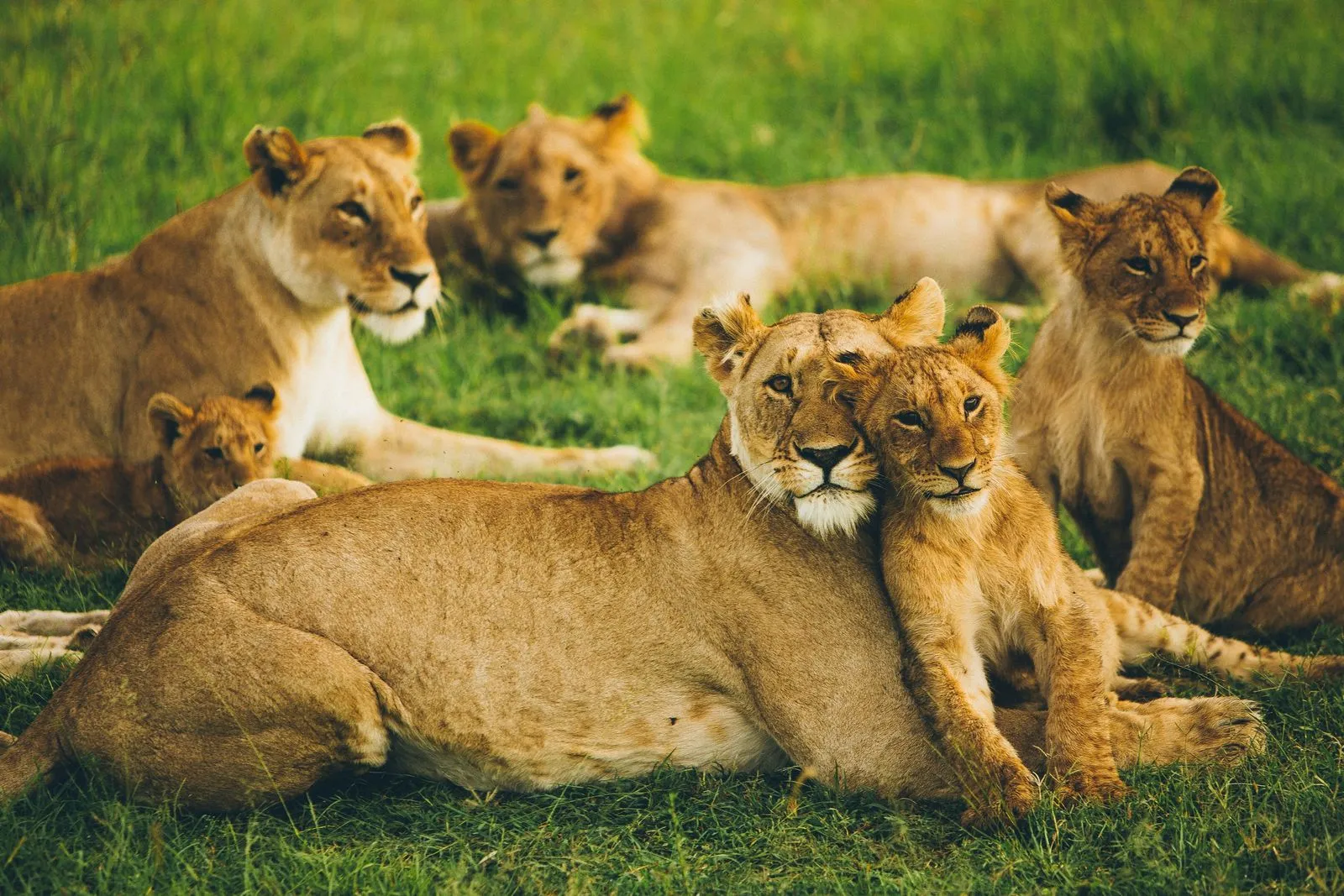
The camp describes pan-African menus, fresh baked bread each morning and menus built on locally grown ingredients. Its FAQ says vegetarian and vegan menus are possible if you tell the camp in advance and that it will do its best.
It does not mention Jain food. For a Jain guest, we ask the camp in writing before booking what it can make without onion, garlic and root vegetables, and we tell you the answer. With a small camp and a set kitchen, advance notice is what makes it work. Our guide to Jain and vegetarian food abroad covers what to ask.
Our relationship, stated honestly
We have no partnership, preferred status or special rates with the camp.
What we do: we plan the flights, the Wilson Airport hop, the visa route, the dates and the occasion around the camp, and we stay reachable while you travel. Your trip stays yours: we never publish a client’s plans.
More stays: browse all our stays or see Bisate Lodge. For other safari trips, see African safari.
Frequently asked questions
Is Mahali Mzuri in the Masai Mara reserve or a conservancy?
A conservancy. The camp is in the private Olare Motorogi Conservancy, which borders the Masai Mara National Reserve and shares its wildlife and migration route, but is managed separately with stricter limits on visitor numbers (camp’s FAQ, checked 20 November 2026).
When is the best time to stay at Mahali Mzuri for the migration?
The camp says the wildebeest migration usually passes through the conservancy between about July and October, and that timing and route shift each year and cannot be guaranteed. Wildlife is present all year.
Is Mahali Mzuri good for a honeymoon?
The camp says yes, and offers help with proposals and special occasions. It has 12 tents, private decks, bush dinners and a pool. Tell us the occasion and we ask the camp what it can set up.
How do you get to Mahali Mzuri from India?
Fly to Nairobi, then take a light aircraft to the Olare Orok airstrip, about an hour, and a 20-minute car transfer to camp. From India that is usually one connection to Nairobi. The flight bag limit is 15 kg.
Can the camp arrange vegetarian or Jain food?
The camp says it can do vegetarian and vegan menus with advance notice. It does not mention Jain food, so we ask in writing before you book.


