


One dinner can be the reason for the whole trip: a nine-seat counter, fourteen courses, and a table planned weeks before you fly.
If you eat vegetarian, start with Narisawa, which holds two MICHELIN Stars and says vegetarian and vegan menus are available on request. For the highest rank, book Sézanne, No. 16 on Asia’s 50 Best Restaurants 2026. Eight Tokyo tables follow, with chefs, styles and dishes from sources.
These eight are the Tokyo restaurants on the 2026 Asia’s 50 Best list (ranks 1 to 100) that we cover. It is a short list of tables worth planning a trip around, not a ranking of the city.
At a glance
| Restaurant | Area | Asia’s 50 Best Restaurants 2026 | MICHELIN | Chef | Vegetarian note |
|---|---|---|---|---|---|
| Sézanne | Marunouchi | No. 16 | We confirm at enquiry | Stephen Lancaster | Not stated |
| Sazenka | Minamiazabu | No. 21 | Three Stars | Tomoya Kawada | Not stated |
| Maz | Kioicho | No. 28 | We confirm at enquiry | Santiago Fernández | Not stated |
| Florilège | Toranomon | No. 31 | We confirm at enquiry | Hiroyasu Kawate | Plant-forward tasting menus |
| Myojaku | Nishiazabu | No. 33 | Three Stars (Tokyo 2026) | Hidetoshi Nakamura | Not stated |
| Crony | Higashiazabu | No. 34 | We confirm at enquiry | Michihiro Haruta | Not stated |
| Narisawa | Minamiaoyama | No. 37 | Two Stars | Yoshihiro Narisawa | Vegetarian and vegan menus on request |
| Den | Jingumae | No. 51 | Two Stars | Zaiyu Hasegawa | Not stated |
Ranks come from the50.com’s 2026 list, and chefs from each restaurant’s page. MICHELIN Stars are from the MICHELIN Guide’s restaurant pages (MICHELIN Guide, read 23 November 2026); only Myojaku’s page prints a year, Tokyo 2026. “Not stated” means that page says nothing about vegetarian menus, so we ask each kitchen in writing before we book.
Narisawa: the one for vegetarians
It holds two MICHELIN Stars (MICHELIN Guide, read 23 November 2026). Chef Yoshihiro Narisawa cooks a changing omakase in the “satoyama” style, which draws on the countryside. His page names a Temari dish, root-vegetable strips wrapped around a crab and scallop dumpling. It also says vegetarian and vegan menus are available on request.
Ask for the vegetarian menu when you enquire, not on the night. We confirm what the kitchen can do, and we tell you what the menu contains before you travel.
Sézanne: the highest rank on the list
Sézanne is No. 16. We confirm the restaurant’s current MICHELIN status when you enquire. Its profile describes neo-French cooking with Asian influences, a 12-course tasting menu, and two dishes: bouillabaisse with Saga saffron, and fugu from Yamaguchi cooked on the bone. Chef Daniel Calvert left at the end of March 2026, and Stephen Lancaster now leads the team.
It is in Marunouchi. For a family dinner that needs to feel like an occasion, this is the table to anchor the evening.
Sazenka: Chinese cooking, with tea
Sazenka is No. 21. It holds three MICHELIN Stars (MICHELIN Guide, read 23 November 2026). Chef Tomoya Kawada cooks Chinese food with a Japanese sensibility and a focus on tea. Named dishes include botan ebi with Shaoxing rice wine, a clarified pheasant soup with wontons, simmered dried abalone and apple with osmanthus jelly. It has 12 seats and two private rooms, which suits a small family celebration.
Maz: Peru in Tokyo
Maz is No. 28, overseen by Virgilio Martínez of Central, with Santiago Fernández leading the kitchen. The page describes a journey through “moments” that pairs Peruvian biodiversity with Japanese seasonality, and names a huatia-style underground potato roast adapted with wild vegetables.
Florilège: less meat, more vegetables
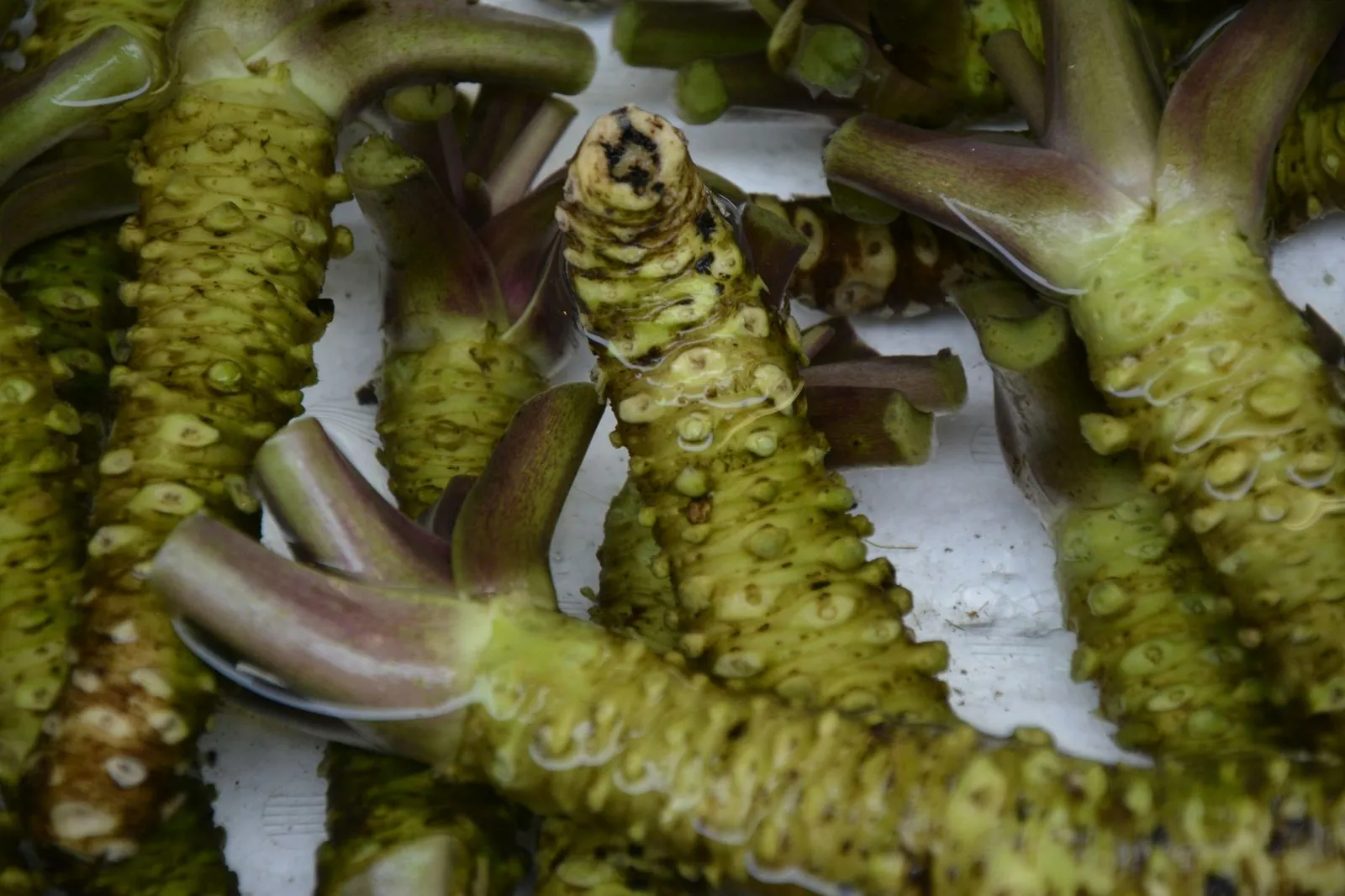
Florilège is No. 31. Chef Hiroyasu Kawate cooks creative tasting menus, and the page says the team is committed to serving less meat and seafood and more vegetables, with plant-forward tasting menus. It does not use the words vegetarian or vegan, so we ask what a fully vegetarian version looks like.
Myojaku: nine seats, fourteen courses
Myojaku is No. 33, and its MICHELIN page cites three stars in the MICHELIN Guide Tokyo 2026. Chef Hidetoshi Nakamura cooks a 14-course, French-leaning omakase at a nine-seat counter. The page names an opening course of seasonal vegetables cooked in seawater, and handmade soba with a dipping sauce made from Kyotango water.
Crony: Japanese produce, French and Nordic method
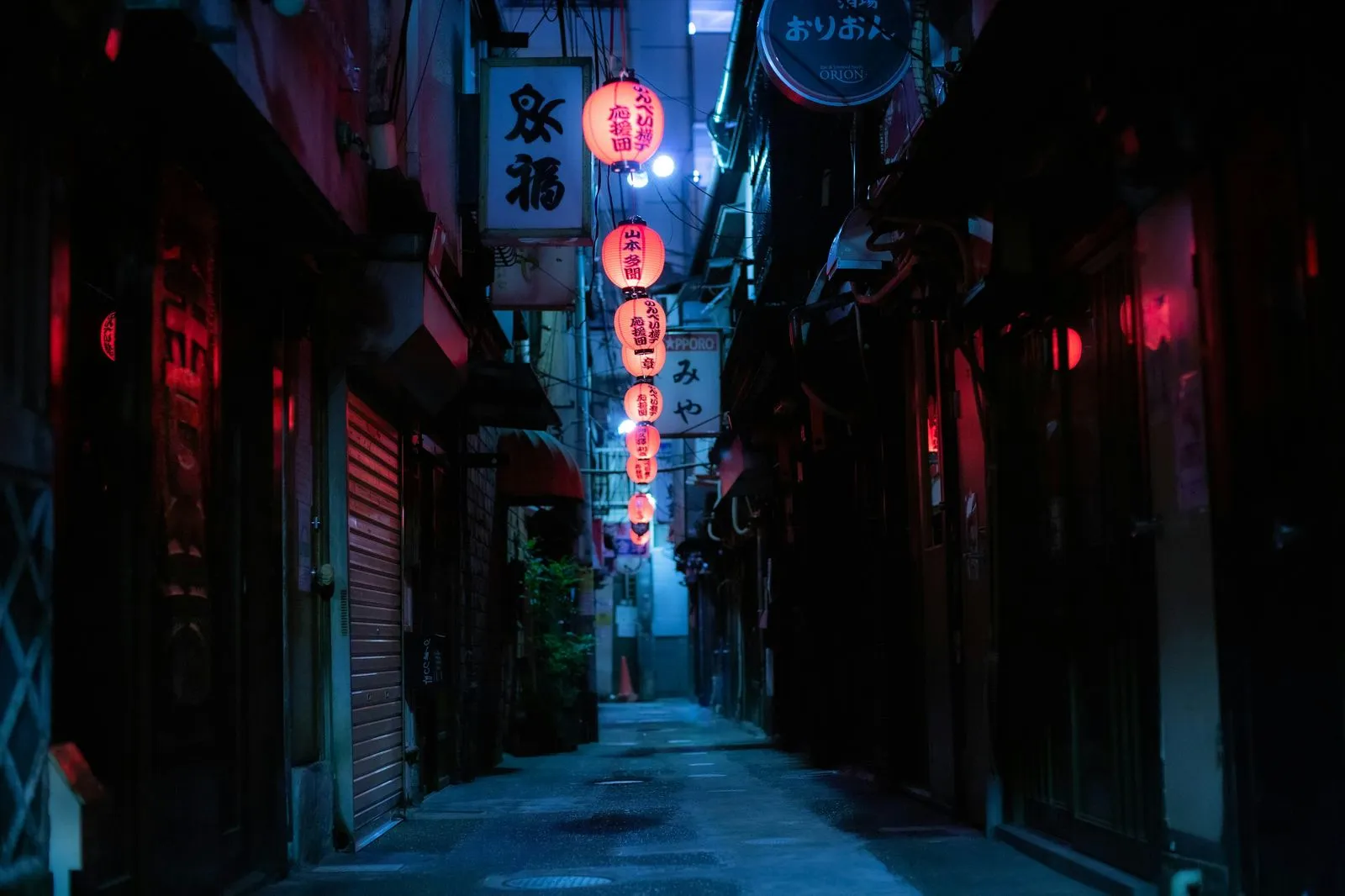
Crony is No. 34. Chef Michihiro Haruta applies French, Scandinavian and North American techniques to Japanese ingredients, with a welcome cup of tea and a tea-leaf ice cream, per its page. It lists a sommelier, Kazutaka Ozawa, as co-founder.
Den: Dentucky Fried Chicken
Den is No. 51, on the extended part of the list, and holds two MICHELIN Stars (MICHELIN Guide, read 23 November 2026). Chef Zaiyu Hasegawa cooks playful modern kaiseki. The page names the “Dentucky Fried Chicken”, a boned chicken wing stuffed with sticky rice, along with salads of fried, pickled, grilled and raw vegetables. Reservations are by phone, opening eight weeks ahead, so we plan this one first.
How do vegetarian and Jain guests fare at these tables?
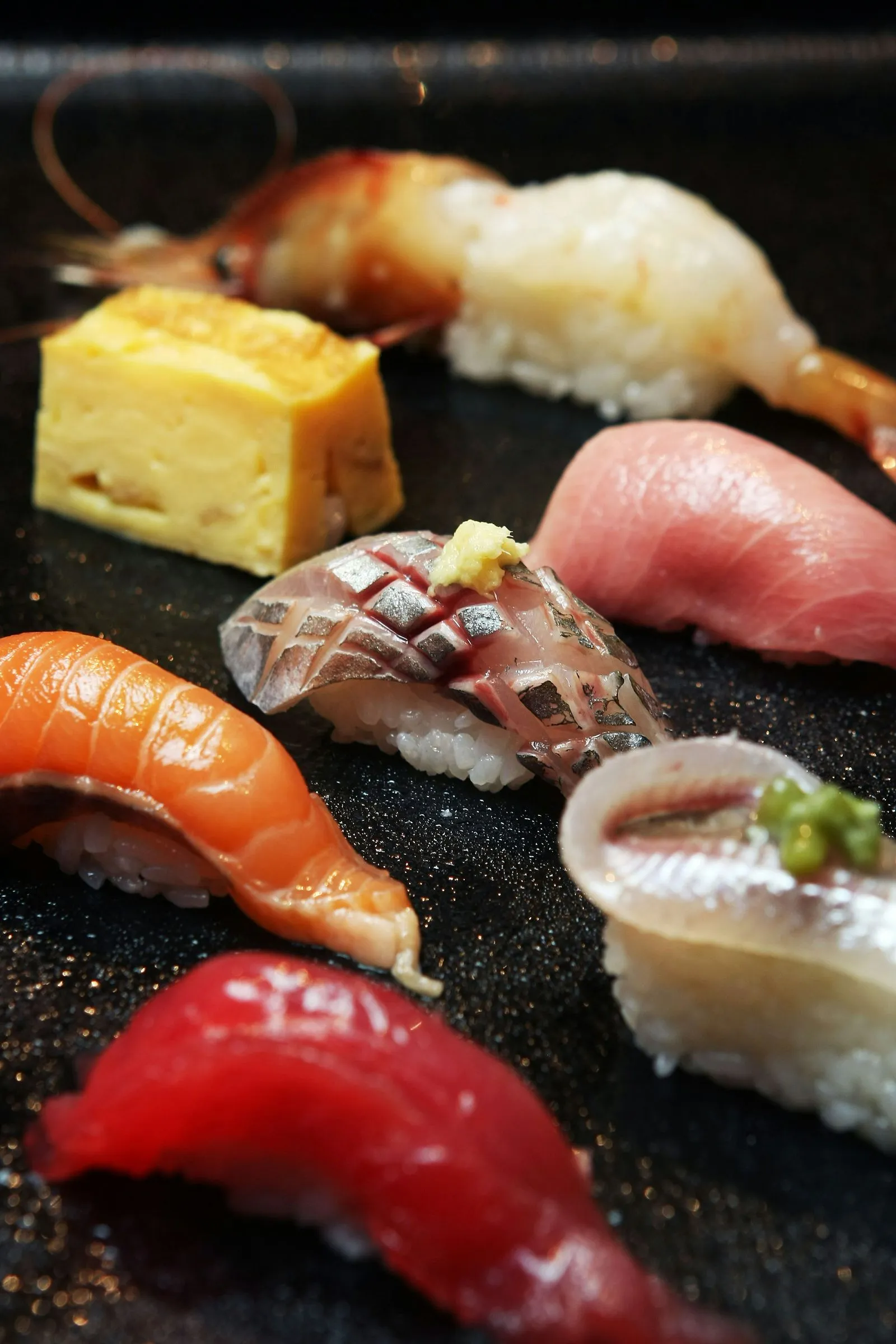
Japanese cooking has a catch for vegetarians. Dashi, the stock under many dishes, is often made with dried bonito, so a dish that looks vegetarian may not be (Nippon.com). Buddhist temple cooking, shojin ryori, uses kombu and shiitake stock instead.
- Vegetarian: start with Narisawa, then ask Florilège about a fully vegetarian version. For the other six, we ask the kitchen for a written vegetarian menu before we confirm.
- Jain: none of the eight pages on this list states a Jain menu. A Jain guest does not eat root vegetables, so a menu built on them needs to be rewritten, and the kitchen must agree in writing. Our Jain and vegetarian food guide explains how we brief kitchens.
- Mixed table: if part of the family eats meat and part does not, we ask for a parallel menu, and we do not leave the choice to the night.
- Ask early: we brief the kitchen well ahead of the dinner and confirm its reply with you.
Frequently asked questions
Which Tokyo restaurant suits vegetarians?
Narisawa. Its page on the World’s 50 Best site says vegetarian and vegan menus are available on request. We confirm the menu for your dinner before we book.
Can a fine-dining restaurant in Tokyo cook Jain food?
None of the eight pages states a Jain menu. A kitchen can plan one if it hears early, so we ask in writing before we book.
Which of these tables ranks highest?
Sézanne, at No. 16 on Asia’s 50 Best Restaurants 2026. Sazenka is No. 21 and Maz No. 28.
How far ahead do we need to book?
It varies. Den takes phone reservations that open eight weeks ahead, according to its page. We confirm the booking window for each table when we plan your dates.
Do the dishes stay the same?
No. Menus change with the season and the chef. Sézanne’s chef changed in 2026. We send you the current menu when we reserve.
Can you book the table for us?
Yes. We make restaurant reservations as part of your trip and handle food preferences with the kitchen. Tell us the dates and who eats what.
What we arrange for you: a Tokyo trip built around a dinner
Pick the table first, then the hotel and the days. Our Japan guide covers the seasons, the hotels and the trip from India.
For a table-led Tokyo trip, the work is small and exact:
- We fix the booking day for the hardest table first.
- For every vegetarian or Jain guest, we ask the kitchen for the menu in writing before we confirm.
- We place the hotel near the dinner, so the evening is a short drive.
Booking and briefing steps are on how we work.
Tell us your dates, who is travelling and what each person eats, and we’ll tell you which tables we can plan around.
Send an enquiry · Talk to a designer on WhatsApp (opens in a new tab)
Your trip stays yours. We never publish a client’s plans.


